Bismuth Telluride (Bi₂Te₃) vs. Bismuth Selenide (Bi₂Se₃): How to Choose
Bismuth telluride (Bi₂Te₃) and bismuth selenide (Bi₂Se₃) are both widely used in evaporation coating, magnetron sputtering, and other thin-film processes. But they have different physical properties and thermoelectric performance, so they're suited for different applications.
Bi₂Te₃ vs. Bi₂Se₃: Physical Properties Compared
|
Comparison |
Bismuth Telluride (Bi₂Te₃) |
Bismuth Selenide (Bi₂Se₃) |
|
Formula |
Bi₂Te₃ |
Bi₂Se₃ |
|
Color |
Gray powder/solid |
Gray or black crystalline solid |
|
Density |
7.64–7.74 g/cm³ (higher) |
~6.82 g/cm³ (lower) |
|
Melting point |
~573–585°C (lower) |
~710°C (higher) |
|
Crystal structure |
Layered rhombohedral |
Rhombohedral |
|
Chemical properties |
Fairly stable; reacts with halogens |
Insoluble in alkalis; decomposes in concentrated acids/aqua regia |
From an evaporation standpoint, bismuth telluride has a lower melting point, so it vaporizes more easily during thermal evaporation. Bismuth selenide has a higher melting point, so you need higher evaporation temperatures or more electron beam energy to deposit it effectively.
Bi₂Te₃ vs. Bi₂Se₃: Thermoelectric Performance Differences
Bismuth telluride is widely recognized as the best thermoelectric material around room temperature. It dominates the thermoelectric cooling space. Bi₂Te₃ has a high Seebeck coefficient, low electrical resistivity, and low thermal conductivity—which is why it's the most commercially mature thermoelectric material out there. Most commercial Peltier coolers and thermoelectric generators use Bi₂Te₃-based materials. By doping with antimony telluride, you get p-type material; by doping with bismuth selenide, you get n-type material. The two pair up to make complete thermoelectric devices.
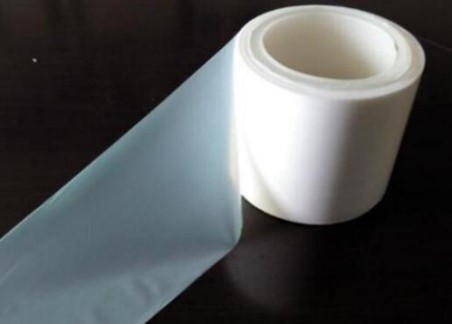
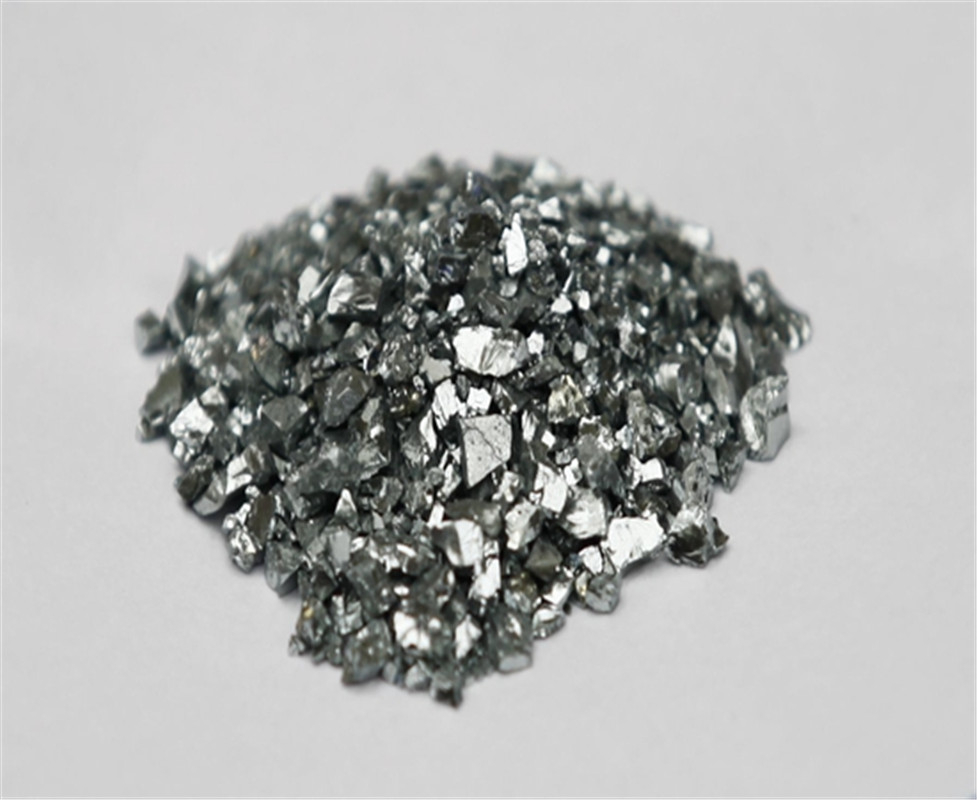
Bismuth Telluride (Bi2Te3) Evaporation Materials
Bismuth selenide, on the other hand, is more of a mid-temperature thermoelectric material. Its thermoelectric performance peaks at moderate temperatures. Bi₂Se₃ has a high Seebeck coefficient, but its intrinsic thermal conductivity is high, which limits its ZT value (a key measure of thermoelectric efficiency).
-Evaporation-Materials.jpg "sc/1776931178-normal-Bismuth-Selenide-(Bi2Se3)-Evaporation-Materials.jpg")
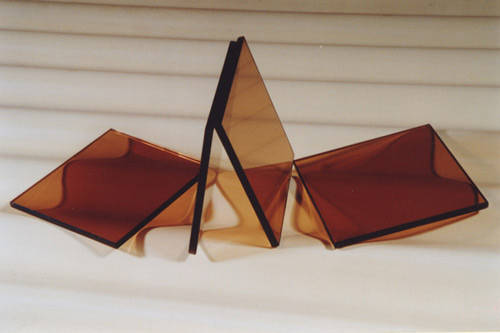
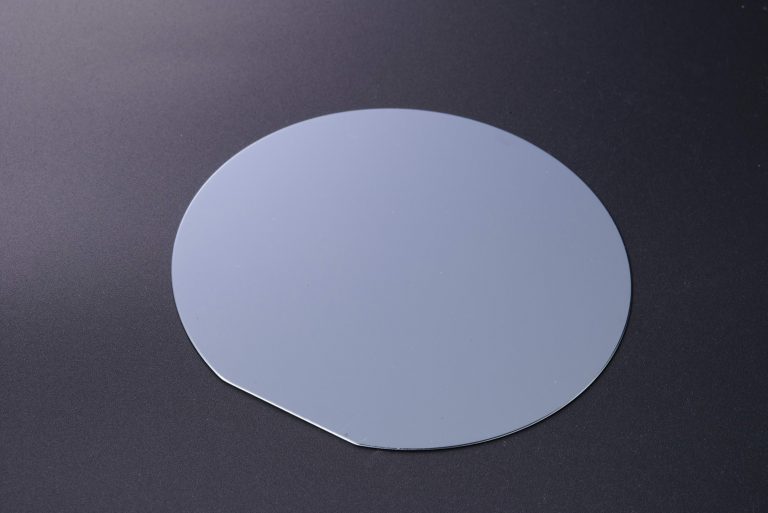
Bismuth Selenide (Bi2Se3) Evaporation Materials
Here's an interesting point: in commercial n-type thermoelectric materials, bismuth selenide is often used as a dopant in bismuth telluride to make Bi₂Te₃₋ₓSeₓ alloys. That optimizes the performance of n-type materials. So Bi₂Se₃ often plays a supporting role in Bi₂Te₃-based materials rather than being the main event.
Bi₂Te₃ vs. Bi₂Se₃: Thin-Film Applications
Bismuth telluride evaporation materials are mainly used in room-temperature thermoelectric applications:
- Thermoelectric cooling devices (micro Peltier coolers): Using p-type and n-type Bi₂Te₃ films to make miniature cooling modules
- Micro thermoelectric generators: Harvesting energy from body heat, waste heat, and other near-room-temperature sources
- Infrared detectors and solid-state cooling systems
- Wearable and flexible electronics: Co-evaporating films onto plastic substrates like Kapton
- Semiconductor and optical components: Wear-resistant protective coatings and display devices
Bismuth selenide evaporation materials have more diverse applications, especially in cutting-edge fields:
- Topological insulator research: Bi₂Se₃ is a 3D topological insulator. Its surface conductivity makes it valuable for spintronics research.
- Mid-temperature thermoelectric devices: For waste heat recovery in the 300–473K range
- Optoelectronics and sensing: Bi₂Se₃ is photosensitive and has photoconductivity, making it useful for photodetectors and chemical sensors.
Bismuth Telluride: The Best Thermoelectric Material at Room Temperature
Which One Should You Choose?
In real-world applications, they're not simple substitutes for each other. Bismuth telluride is the mainstream choice for room-temperature thermoelectrics, with the most mature industrial applications. Bismuth selenide has more potential in cutting-edge research and mid-temperature applications, and it's also a key dopant for optimizing n-type bismuth telluride performance. For thin-film evaporation, your choice really comes down to the operating temperature range and performance requirements of your target device. Here's a quick reference:
|
Use Case |
Recommended Material |
|
Room-temperature thermoelectric cooling/power generation |
Bismuth Telluride (Bi₂Te₃) |
|
Mid-temperature thermoelectrics (300–500K) |
Bismuth Selenide (Bi₂Se₃) |
|
Making n-type thermoelectric materials |
Bi₂Te₃ + Bi₂Se₃ alloy |
|
Topological insulators / spintronics |
Bismuth Selenide (Bi₂Se₃) |
|
Low-melting-point evaporation processes |
Bismuth Telluride (Bi₂Te₃) |
Stanford Electronics specializes in high-quality, high-purity bismuth telluride and bismuth selenide evaporation materials. Contact us for a quote to learn more and get current pricing.