PTFE Powder for Dielectric Films: What Makes It So Good?
PTFE powder is one of the core raw materials for making high-performance dielectric films. With the right processing, you can turn PTFE powder into a dielectric film that performs exceptionally well. The main reason it's such a great dielectric material? It has an extremely low dielectric constant (Dk) and ultra-low dielectric loss (Df).
What are the Advantages of PTFE Dielectric Films?
First, PTFE dielectric films have a super low dielectric constant (Dk) and ultra-low dielectric loss (Df).
Pure PTFE film can have a Dk as low as 1.8 to 2.2. Among all solid polymer materials, that's pretty much the lowest you can get. This helps enable high-speed signal transmission and lower signal delay.
The dielectric loss tangent (tan δ) of PTFE film can be as low as about 0.0003. That means when you're transmitting high-frequency signals, very little energy gets lost, and signal fidelity stays high. This makes PTFE especially well-suited for high-frequency applications like 5G communications.
On top of that, PTFE's dielectric properties stay stable across a wide frequency range. It's also not sensitive to temperature or humidity, so your device stays reliable even when the environment changes.
Where are PTFE Dielectric Films Used?
Thanks to all these advantages, PTFE dielectric films are moving from traditional applications into cutting-edge tech.
5G/6G high-frequency communication substrates – This is one of the most important uses right now. PTFE-based copper-clad laminates have become key materials for 5G base station antennas, high-frequency radar, and similar equipment. To further improve performance, manufacturers often add ceramic fillers to make PTFE-ceramic composite films.
Thanks to their high-frequency stability, PTFE-based dielectric films are also used to make RF connectors, insulating pads for microwave circuits, and capacitors.
In chip manufacturing, PTFE nano-emulsion can be spin-coated into an extremely thin dielectric layer. This effectively reduces parasitic capacitance and crosstalk in interconnects for ultra-large-scale integration (ULSI), which is critical for improving chip performance.
PTFE is also an ideal material for dielectric energy storage capacitors because of its high breakdown strength and low loss. Plus, PTFE-based composite coatings are being studied to suppress electrostatic discharge in space electronics like solar panels on spacecraft.
By adding conductive fillers (like silver or nickel) to a PTFE matrix, you can make composite films that have both good dielectric properties and effective electromagnetic interference (EMI) shielding. In the X-band, the shielding effectiveness (SE) can reach as high as 69.03 dB.
How Do You Turn PTFE Powder Into A Dielectric Film?
There are several mainstream processes for making PTFE powder into a dielectric film.
1. Paste extrusion and stretching
This is a common method for making porous or dense PTFE films. First, mix PTFE powder with a lubricant to form a paste. Then extrude it through a die to form a film. After that, heat it to remove the lubricant and sinter it. The key step is biaxial stretching, where you control the stretching conditions to tune the film's microstructure and properties.
2. Compression molding and skiving
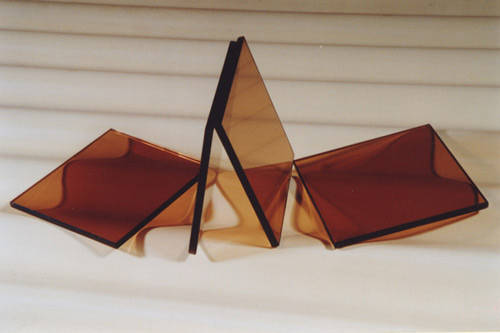
This method is mainly used for making thicker substrate films. You mix PTFE powder (or a blend with other functional materials like ceramic powder), pre-form it by compression molding, then sinter it at high temperatures between 360–390°C. Finally, you use a skiving process to cut a film of the desired thickness from the sintered blank.
3. Slurry coating
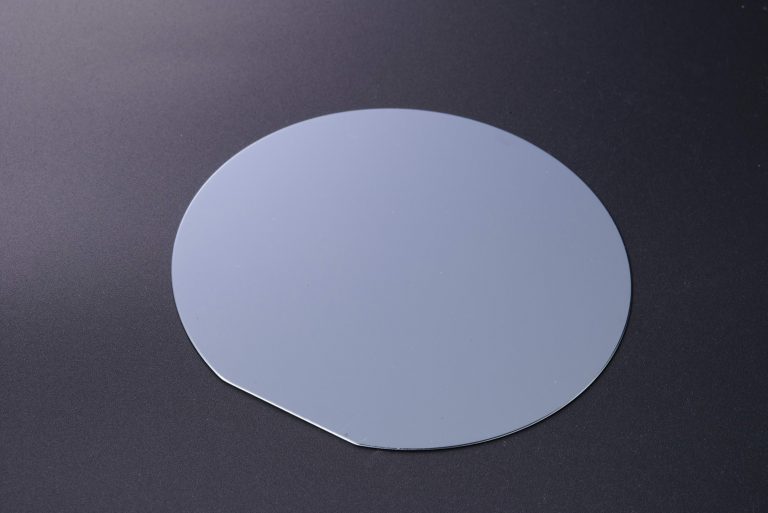
For special applications, PTFE powder can be dispersed into a slurry or nano-emulsion. For example, one type of PTFE nano-emulsion can be spin-coated onto a wafer to deposit a dense film just 0.2 to 1.0 microns thick for ULSI applications.
4. Electrospinning
This is a newer technique for making ultra-thin fiber films with high surface area. For instance, you can mix PTFE with polyimide (PI), then use electrospinning and imidization to create a composite film with a unique nanofiber-bead structure that exhibits ultra-low dielectric properties.
Conclusion
PTFE powder is a standout choice for dielectric films, especially if you care about low loss, stable performance, and high-frequency capability. Whether you're building 5G infrastructure or even advanced chips, PTFE-based dielectric films have a lot to offer.
Stanford Electronics is a go-to source for PTFE powder, tubing, and sheets—we manufacture and supply them. And if you need other custom PTFE products, just let us know what you're looking for.