Cadmium Selenide (CdSe) Evaporation Materials: Properties & PVD Applications
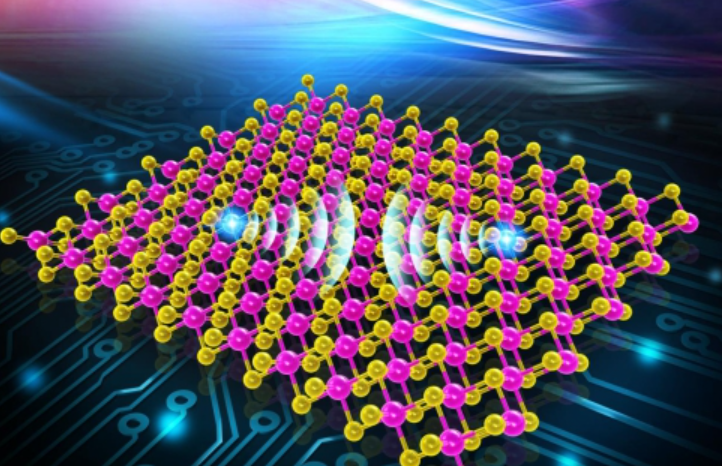
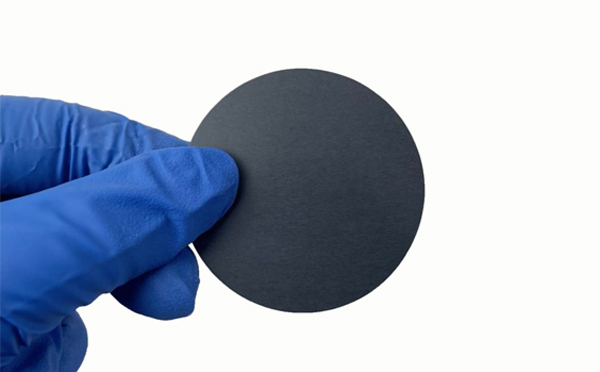
Cadmium selenide (CdSe) is a II-VI compound semiconductor widely utilized in physical vapor deposition (PVD) processes. As high-performance CdSe evaporation materials, these refined compounds are processed into high-purity granules, powders, or custom targets to produce dense, defect-free thin films via thermal or electron-beam (E-beam) evaporation.
During cadmium selenide PVD coating, the source material is vaporized under high vacuum and condenses onto a target substrate. The resulting film retains CdSe’s intrinsic optoelectronic properties, serving as a core component in thin-film solar cells, photodetectors, and quantum dot displays.
Key Optoelectronic Properties of CdSe
The strategic value of CdSe evaporation materials stems from the compound's favorable bandgap physics and carrier dynamics:
|
Property |
Value / Characteristic |
Impact on PVD Thin Films |
|
Bandgap Structure |
Direct Bandgap (~1.7 eV) |
Ideal for visible-light absorption and direct optical transitions without phonon assistance. |
|
Absorption Coefficient |
> 10⁵ cm⁻¹ (Visible range) |
High optical density allows nanometer-thin films to capture most incident light. |
|
Electron Mobility |
~500 cm² V⁻¹ s⁻¹ |
Ensures rapid charge collection and fast optical response in photodetectors. |
|
Quantum Size Effect |
Size-tunable bandgap (Nanoscale) |
Precise emission control via nanoparticle size, critical for QLED display technology. |
Applications of Cadmium Selenide PVD Thin Films
1. Solar Cells & Photovoltaics
Cadmium selenide PVD films serve as efficient absorber layers in thin-film photovoltaics and quantum dot-sensitized solar cells (QDSSCs). Featuring a theoretical conversion limit of up to 28%, CdSe can be paired with crystalline silicon in tandem configurations to break single-junction efficiency limits. Rapid thermal evaporation techniques continue to optimize film quality and device yield.
2. Photodetectors & Optical Sensors
Owing to high sensitivity across visible wavelengths, PVD-deposited CdSe thin films act as functional layers in photodetectors and photosensors. Light absorption triggers sharp conductivity changes, enabling precise optoelectronic signal conversion for industrial automation and monitoring systems.
3. Displays & Quantum Dot LEDs (QLEDs)
In display manufacturing, CdSe quantum dots deposited via specialized evaporation techniques deliver narrow emission peaks, exceptionally wide color gamuts, and high power efficiency compared to traditional backlight systems.
4. Optoelectronic Research
As a model II-VI semiconductor, high-purity CdSe source materials are extensively used in research labs to investigate quantum confinement effects, defect state engineering, and novel PVD growth kinetics.
Handling and Material Safety Precautions
Cadmium and its compounds are classified hazardous substances. When handling CdSe evaporation materials or maintaining PVD vacuum chambers, strict industrial hygiene protocols are required:
- Containment: Work inside negative-pressure gloveboxes or fume hoods to prevent aerosol exposure.
- PPE: Wear NIOSH-approved P100 dust respirators, nitrile gloves, and eye protection.
- PVD Safety: Ensure complete chamber pump-out and proper cold-trap cleaning to capture vaporized toxic residues safely.
- Waste Disposal: Dispose of crucibles, substrate cleanings, and unused materials strictly under regulated hazardous chemical disposal standards (e.g., EPA/RCRA).
Selecting High-Quality CdSe Evaporation Materials
To achieve stoichiometric stability and reproducible film properties during cadmium selenide PVD runs, material specifications should meet high industry benchmarks:
- Purity Level: 99.999% (5N) purity to eliminate mid-bandgap trap states.
- Stoichiometric Control: Exact 1:1 Cd-to-Se atomic ratio to prevent phase segregation.
- Form & Density: Low-outgassing high-density granules or targets tailored for thermal and E-beam evaporation sources.
Note: For detailed technical datasheets, custom packaging, or MSDS information on high-purity CdSe evaporation materials, consult certified PVD material suppliers like Stanford Electronics.