
What is Platinum (Pt) Coated Glass Used for?
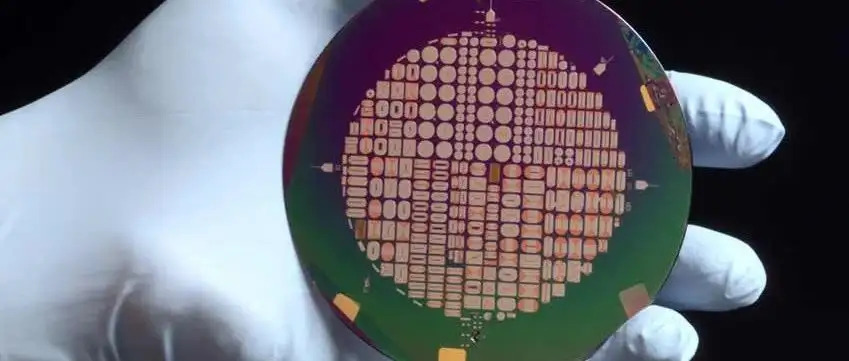
Platinum coated glass is essentially a glass substrate covered with a thin layer of platinum metal. It combines the mechanical strength and transparency of glass with platinum's unique chemical and electrical properties. This makes it valuable in a range of high-tech applications, from medical sensors to solar cells and semiconductor manufacturing.

Semiconductor Processing
In semiconductor manufacturing, platinum coated glass serves as a conductive or barrier layer during wafer fabrication and high-temperature processes. Platinum's chemical stability allows it to maintain oxidation-resistant interfaces, which is critical for process stability in demanding semiconductor environments.
The material also plays a role in high-temperature superconductor research. Platinum buffer films have been used to minimize substrate interactions and provide crystallographic orientation for superconducting oxide films, even on amorphous substrates. This orienting effect helps achieve the preferential alignment needed for optimal superconducting properties.
Sensors and Microelectronics
Platinum coated glass is widely used in sensor applications. For example, platinum electrodes deposited on glass wafers can be fabricated into multifunctional sensors capable of measuring pH, conductivity, and oxidation-reduction potential (ORP) simultaneously. These sensors show potential for water quality monitoring with long-term stability.
In the medical field, platinum-coated glass substrates are used to design biocompatible conductor paths and contact pads for bio-sensor chips. The platinum layer provides a chemically inert and electrically conductive surface suitable for sensor platforms requiring consistent conductivity and low contamination risk.
Energy and Solar Applications
Research has shown that platinum-coated glass substrates can improve the optical properties of materials for solar cell applications. Studies indicate that nanocomposites grown on platinum-coated substrates exhibit better absorbance in the ultraviolet region compared to those grown on uncoated glass.
Thin-Film Electronics
When platinum films are deposited thin enough—around several hundred angstroms—they can become optically transparent while maintaining useful electrical conductivity. This opens up possibilities for transparent, conducting metallic films on glass substrates.
Stanford Electronics offers high-quality Platinum (Pt) Coated Glass substrates designed for demanding semiconductor and microelectronic applications.
Have a specific application requirement or need custom dimensions? Contact Stanford Electronics today. Get A Quote.