ITO Targets: The Go-To Material for Transparent Conductive Films
Transparent conductive films are essential in today's optoelectronics industry. They're a core component in touchscreens, displays, and solar cells. ITO targets are the top choice for making these films—thanks to their excellent transparency and conductivity.
What Are ITO Thin Films Used For?
Their main applications fall into a few key areas:
- Display technology: ITO films serve as transparent electrodes in LCDs, OLEDs, and other displays. They let light through for clear images while conducting electrical signals.
- Touch technology: Both capacitive and resistive touchscreens use ITO as electrode material. Its transparency and conductivity directly affect touch sensitivity and visual quality.
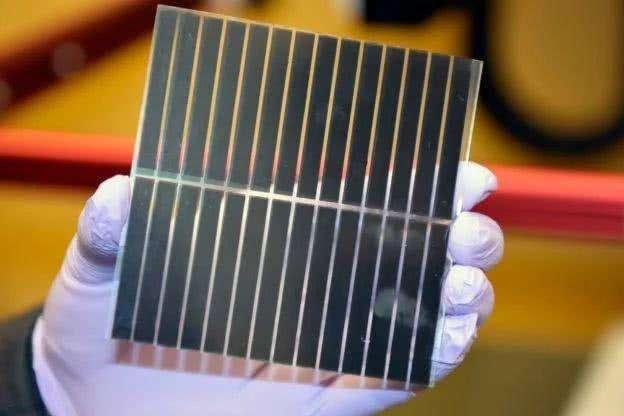
- Photovoltaics: ITO films act as front electrodes in solar cells. Their high transparency lets light reach the absorption layer efficiently, boosting energy conversion.
- Smart buildings and automotive: ITO films are used in smart windows, heated windshields, and similar systems. Their good conductivity and environmental stability make them perform well in these applications.
Why Is ITO Targets the Mainstream Choice?
Because the films it produces perform so well.
Optical Properties
ITO became the mainstream choice mainly because of its outstanding optical performance. In the visible spectrum (380–780 nm), ITO films typically achieve over 80% transmittance. This high transparency ensures strong performance in displays, solar cells, and more.
- Tuning transmittance: By adjusting the ratio of indium oxide to tin oxide in the target, you can fine-tune optical transparency. Lower tin oxide content boosts transparency, but may slightly reduce conductivity.
- Thickness effects: Film thickness also affects optical performance. Thinner films improve transparency but reduce conductivity. In practice, you need to balance the two to meet specific device requirements.
Conductive Properties
ITO films have low resistivity and high carrier concentration. Resistivity typically reaches 10⁻⁴ Ω·cm—a key advantage in electronic devices.
- Carrier concentration and mobility: Conductivity depends mainly on carrier concentration and mobility. Higher carrier concentration means better conductivity. Carrier mobility affects how efficiently current flows. Free electrons in indium oxide provide high conductivity, and tin oxide enhances it further.
- Composition ratio: The indium-to-tin ratio has a clear effect on conductivity. The 90:10 ratio is well-proven and offers the best balance of transparency and conductivity. Increasing tin oxide content can lower resistivity further, but it may hurt transmittance.
Mechanical and Thermal Properties
ITO targets also offer good mechanical and thermal properties. These keep the material stable under various process conditions—especially at high temperatures, where crack resistance and durability matter most.
- Hardness and scratch resistance: ITO targets are relatively hard and resist scratching during grinding and polishing. This helps maintain a smooth film surface.
- Thermal stability: ITO targets can withstand high temperatures without breaking down or deforming. This thermal stability ensures reliable film quality during sputtering and high-temperature deposition processes.
- Adhesion and crack resistance: During deposition, good adhesion and crack resistance are critical. These properties help the film stay intact after deposition—without cracking or peeling from stress.