LCP Films for 5G, Wearables, and Aerospace Advances
What Are Liquid Crystal Polymers (LCPs)?
Have you ever heard of Liquid Crystal Polymers (LCPs)? These materials are like the unsung heroes of high-tech industries, silently powering the most advanced devices and systems you rely on daily.
Introduced back in the 1970s, LCPs have since evolved into a cornerstone of modern electronics, telecommunications, aerospace, and industrial applications.
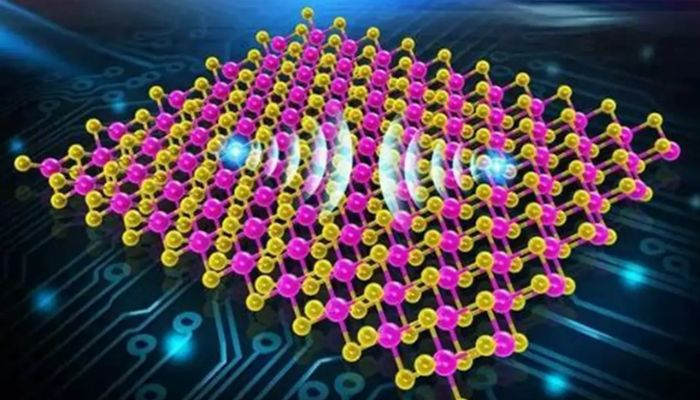
But what makes them so special? It's all in the molecular structure. When heated or dissolved, LCPs transform into a liquid crystal phase, where their rigid, rod-like molecular chains give them remarkable mechanical strength, thermal stability, and electrical properties. These qualities make LCP films the ideal material for applications where performance and reliability aren't just nice-to-haves—they're essential.
Types of LCP Films
Much like choosing the right tool for a specific job, LCPs come in different types to meet the needs of various applications. Let's break it down.
- Type I LCPs: These are the high-heat champions. They're perfect for electronic components that need to survive under extreme temperatures. Think of them as the heavy-duty workers of the LCP family.
- Type II LCPs: These are a bit more flexible when it comes to processing. They're great for antenna materials, where both heat resistance and the ability to be easily shaped are important.
- Type III LCPs: With lower heat resistance, Type III LCPs are typically used in more moderate temperature environments. They're great for connecting tubes and sensors.
Common Applications of LCP Films
LCP films are more than just an impressive list of characteristics—they're key enablers for cutting-edge technologies. From wearable devices to next-gen telecommunications and space exploration, these films are everywhere.
Flexible Wearable Circuits
Ever wonder what makes fitness trackers and smartwatches so compact and reliable? LCP films are a huge part of the answer. Their excellent dielectric properties help ensure signal integrity, even in environments where moisture, physical stress, and chemicals are constantly at play. But it's not just about staying functional under pressure. LCP films are lightweight and resistant to wear and tear, making them perfect for wearable electronics that need to keep up with your every move.
5G Mobile Phone Antennas
When 5G came into the picture, it brought with it a whole new level of speed and connectivity. But that wouldn't be possible without materials like LCP films. These films are crucial for ensuring the integrity of mobile phone antennas, especially when it comes to those high-frequency millimeter-wave bands. Their low dielectric constant and minimal signal loss make them perfect for the intense demands of 5G communications. What's more, their durability means they can withstand environmental stresses, ensuring that your phone remains connected, no matter where you are.
Aerospace RF Antennas
In the world of aerospace, communication is critical. That's why LCP films are used in RF antennas for aircraft and spacecraft. The films' excellent thermal stability, low signal loss, and wide frequency range make them perfect for supporting reliable communication systems in the air and beyond. Not to mention, their flexibility and lightweight nature help make these systems more compact and efficient, crucial for modern aircraft communication.
5G Millimeter-Wave Radar Communication
Here's where things get really interesting. In the rapidly advancing 5G landscape, millimeter-wave radar technology is key to driving high-speed data transmission. LCP films play a crucial role in ensuring that the radar systems deliver low dielectric loss and high-frequency stability. This means the radar can transmit data more efficiently, making them an essential component in technologies like autonomous vehicles, drones, and beyond. With their mechanical strength and flexibility, LCP films enable the compact, durable designs necessary for these high-tech radar systems.
5G Base Station Flexible Transmitter Units
It's not just your phone that relies on LCP films. These films are also used in 5G base stations, where they help optimize signal paths for the best performance. The low dielectric loss and flexibility of LCP films are critical here, ensuring that these base station units can be miniaturized without sacrificing performance. Whether in dense urban centers or remote areas, these films make sure that base stations deliver consistent, efficient service wherever they're deployed.
Conclusion
LCP films aren't just some niche material—they're an essential part of the technology that powers our connected world. From wearable electronics to 5G communication systems and aerospace applications, these films bring together a unique combination of electrical, thermal, and mechanical properties that make them indispensable in high-performance industries.