LCP Films in Wearable Devices: A Game-Changer in Modern Technology
Have you ever wondered what makes wearable devices so sleek, lightweight, and flexible? It's not just the design, but the materials they're made from. Liquid Crystal Polymer (LCP) films are a prime example of the kind of innovation. These films offer a unique blend of properties that make them the perfect match for wearable devices.
[1]
What Are LCP Films Exactly?
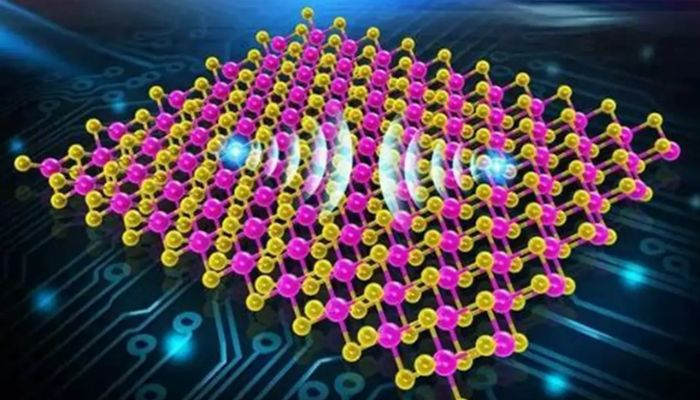
LCPs, also known as Liquid Crystal Polymers, are a type of thermoplastics that possess some incredibly remarkable specifications. Think about a substance that's robust enough to survive extreme environments but also has flexibility enough to bend, twist, and turn without shattering— that's what you get in an LCP. The unique structure that defines LCPs lies in their liquid crystals. The liquid crystals are organized in a highly regular manner, which imparts special properties to their film form, such as remarkable toughness, heat resistance, as well as exceptional electrical conductivity.
LCP films are known for their transparency, lightness, and unexpected properties, such as their resistance to heat, chemicals, and water. These qualities make these films perfect for use in areas where other materials are inadequate, such as in the rapidly developing wearable technologies sector.
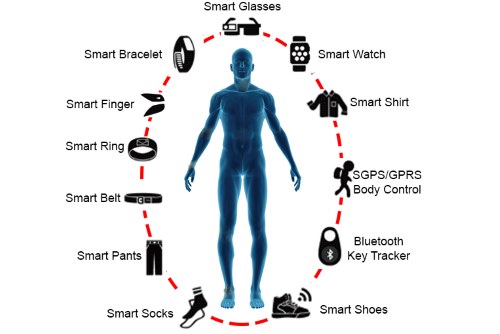
Whether it is fitness trackers, smartwatches, or healthcare devices, LCP films are finally becoming the material of choice for those who want devices that are a perfect blend of functionality and comfort.
Why LCP Films Matter for Wearables?
But why are LCP films so important in the wearable tech market? The reason: wearables require materials that are functional not only in terms of performance but can also withstand the rigors of daily use and environmental exposure. We can dissect the most important aspects:
1. Durability & Flexibility: Built to Last, Bend, & Move
Since you will be wearing the device on your wrist or body, you would want the device to last longer without degrading. You would want the device to withstand being bent or twisted multiple times or being subjected to various environmental factors such as perspiration or rain without failing. The LCP films have excellent durability with high scratch, bend, and shock resistance. The films are also unharmed by UV light, chemicals, or water.
And now comes the most exciting part: the films made of LCP material are extremely flexible. When it comes to wearables with a curved or flexible screen, there is no better choice than films made of the LCP material. The persons wearing the watches or the fitness trackers will be able to enjoy the benefits of a flexible display.
Related reading: LCP Film: Enabling 5G, Wearables, and Aerospace Advances
2. Thermal & Electrical Performance: Cool Operations & Connected Applications
A watchful eye on power management—the energy absorbed by the CPU, memory, and wireless communications, which generates heat. Packing this much tech into such a small body—sensors, processors, batteries humming along—is just begging for a heat buildup.
Enter LCP films, which are excellent heat conduction materials, removing heat away from critical components so that your device stays cool, no matter how heavily you use it. Intelligent heat management using LCP films is a major component in extending the lifespan of your device while also enhancing its performance.
And then, of course, there's more: The electrical properties of LCP films are a big plus. The low dielectric values and good insulation resistance ensure signal integrity for flexible circuits and antennas. And when you need a reliable connection for Bluetooth, GPS, or Wi-Fi functionality, LCP films ensure you can connect no matter where you are.
3. Lightweight and Easy To Wear: Comfort Comes First, Then Performance
Good wearable tech disappears on the skin, so no way can it be bulky and weighty. But the films from LCP keep the weight low, ensuring that wearers need not sacrifice comfort for capability.
The thinness of their designs is yet another benefit. The films allow one to design thin devices that can be worn comfortably on your wrist or your body. It may be a fitness tracker or a smartwatch that you may be looking for; LCP films ensure wearables are light and friendly to use without compromising features.
4. Chemical Resistance and Biocompatibility: Ready for Anything
Think also about the reality of everyday wearables: a device sitting in contact with your skin for hours, touching chemicals, sweat, lotions, oils, and yes, even a little bit of dirt. These can destroy materials that are not designed for such interaction. But LCP films are resistant to chemicals, oils, solvents, detergents, and more, making them perfect for use in everyday wearables for those who experience the usual conditions we are all subjected to each day, if our devices are going to both look good and function well in the process.
But when it comes to healthcare wearables, like heart rate monitoring, glucose level monitoring, or ECG patches, these LCP films are biocompatible. They wouldn't cause any irritation to the skin or lead to any kind of allergic reactions, considering the fact that the device will be worn against the body for a prolonged period of time.
5. Transparency and Aesthetics: Clear, Stylish, and Sleek
The thing is, when it comes to wearables, we know they are not only useful, they've also got attitude. And what matters when it comes to attitude, really, is a cool, cutting-edge look, which LCP films can help you achieve. Also essential for a professional finish, the level of transparency these films offer makes a huge difference when you want a display to shine.
Moreover, the films can be immediately incorporated into wearable hardware design without standing out in the design process because of their smooth surface.
Where Are LCP Films Used In Wearables?
LCP films earn their value throughout the wearable tech industry, enabling a number of important sectors through their malleability and robustness. Some applications worth mentioning:
1. Flexible displays and screens
Curling around our wrists or arms, flexible displays in wearable screens require the ability to curve without jeopardizing display clarity or display durability. LCP films enable flexible displays, maintaining a clear display with a strong display while it curves with the human body—considering devices such as smartwatches that curve or fitness bands that hug the arm.
2. Flex circuit boards
Every device has a circuit board, but for a wearable, that circuit board has to have as much flexibility as it has lifespan. That is why LCP film is used for manufacturing flexible printed circuit boards, also referred to as FPCBs, which facilitate wearable features such as flexible, slim, and light devices that can also have health sensors embedded within them.
3. Antennas and Connectivity Modules
Wearables operate using wireless communication, including Bluetooth, Wi-Fi, GPS, and others. Liquid Crystal Polymer Films are perfect for creating a flexible antenna for these devices without compromising strength. The antennas are designed to keep you connected while you are moving around.
4. Medical Wearables
Whether it involves heart rate or blood glucose, healthcare wearable devices need to be robust enough for everyday use, while also biocompatible for wearers' comfort. LCP films are an apt choice because their water resistance, sweat resistance, etc., can protect the sensitive nature of these devices, in addition to their slimness for comfort while use.
Final Thoughts
LCP films are revolutionizing wearable technology by providing a combination of durability, flexibility, lightweight design, and exceptional electrical and thermal properties. As wearables continue to evolve and become even more integrated into our daily lives, the demand for high-performance materials like LCP films will only grow.
Reference:
[1] Rodrigues, Joel & Segundo, Dante & Arantes Junqueira, Heres & Sabino, Murilo & Prince, Rafael & Al-Muhtadi, Jalal & Albuquerque, Victor. (2018). Enabling Technologies for the Internet of Health Things. IEEE Access. PP. 1-1. 10.1109/ACCESS.2017.2789329.