Common Optical Coating Materials
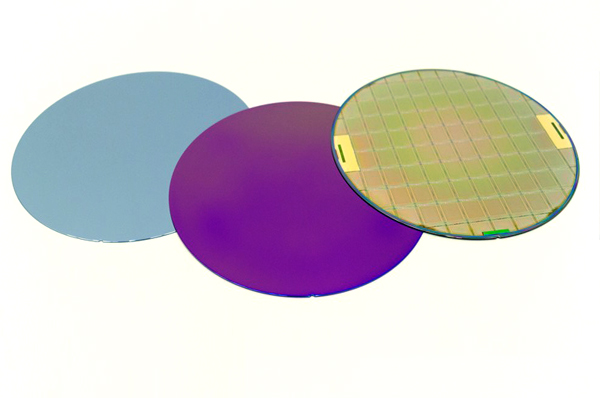
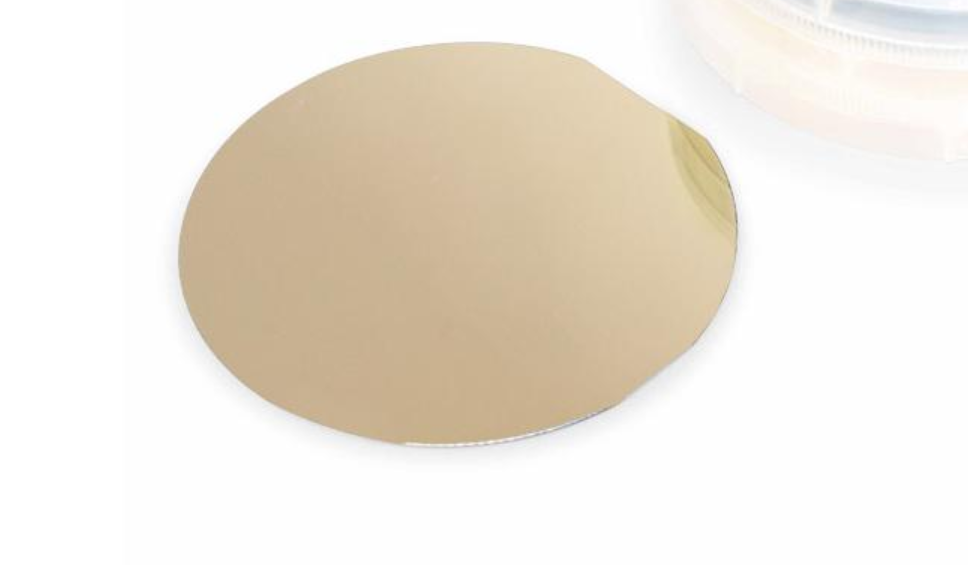
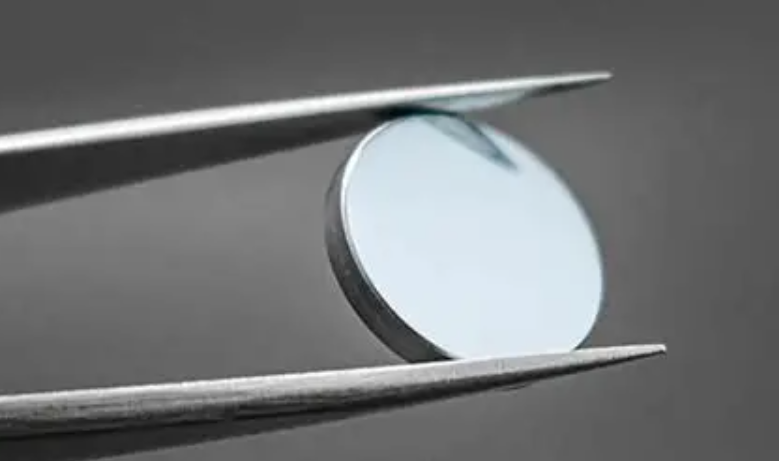
Optical coating refers to the process of depositing one or more layers of metallic or dielectric thin films onto optical components. The purpose of coating optical surfaces is to achieve specific optical effects—such as reducing or increasing reflection, beam splitting, color separation, filtering, or polarization. The two most commonly used coating methods are vacuum deposition and chemical coating.
Vacuum Deposition
Vacuum deposition is a process in which coating materials are vaporized through evaporation or sputtering under high vacuum and then deposited onto the substrate surface. This method yields films with high purity, precise thickness control, and excellent adhesion, making it the go-to technology for complex multi-layer coatings. It is widely used in high-precision lenses, laser components, and optical filters.
Chemical Coating
Chemical coating involves forming thin films on substrate surfaces through chemical reactions—primarily via sol-gel processes and chemical vapor deposition (CVD). The main advantages are lower equipment costs and the ability to coat large-area or irregularly shaped parts. However, film thickness uniformity and batch-to-batch consistency are somewhat inferior to vacuum deposition, making it better suited for applications with less stringent optical requirements.
Common Optical Coating Materials
|
Category |
Material |
Typical Size |
Applications |
|
Elemental Coating Materials |
Aluminum |
φ3×3mm |
Metallic reflective coatings |
|
Chromium |
1–10mm |
Functional films, metallic reflective coatings |
|
|
Gold |
φ3×3mm |
Metallic reflective coatings, decorative films |
|
|
Silver |
φ2×5mm |
Metallic reflective coatings |
|
|
Silicon |
1–10mm |
Anti-reflective coatings, heat-reflective coatings, dichroic filters, polarizers |
|
|
Germanium |
1–10mm |
Anti-reflective coatings, heat-reflective coatings, dichroic filters, laser coatings |
|
|
Compound Coating Materials |
Aluminum Oxide (Al₂O₃) |
1–3mm |
Anti-reflective coatings, multi-layer films, interference coatings |
|
Cerium Oxide (CeO₂) |
1–3mm |
Anti-reflective coatings |
|
|
Hafnium Dioxide (HfO₂) |
1–3mm (pressed) |
Multi-layer composite films |
|
|
Indium Tin Oxide (ITO) |
1–5mm (pressed) |
Transparent conductive films |
|
|
Magnesium Oxide (MgO) |
1–3mm |
Laser coatings, adhesion-promoting layers |
|
|
Niobium Pentoxide (Nb₂O₅) |
1–3mm |
Laser optics, high-reflective coatings |
|
|
Silicon Monoxide (SiO) |
1–3mm (pressed) |
Cold-light mirrors, protective coatings, decorative films |
|
|
Silicon Dioxide (SiO₂) |
1–3mm, 2×2mm |
Cold-light mirrors, filter coatings, insulating films |
|
|
1–3mm (pressed) |
Anti-reflective coatings, optical filters, beam splitters |
||
|
Titanium Pentoxide (Ti₃O₅) |
1–3mm (pressed) |
Beam splitters, cold-light mirrors, optical filters, high-reflective coatings |
|
|
Tantalum Pentoxide (Ta₂O₅) |
1–3mm (pressed) |
Optical filters, high-reflective coatings, insulating films |
|
|
Yttrium Oxide (Y₂O₃) |
1–3mm (pressed) |
Multi-layer composite films |
|
|
1–3mm |
Multi-layer composite films |
||
|
Zirconium Dioxide (ZrO₂) |
1–3mm (pressed) |
Multi-layer composite films, anti-reflective coatings, nano-hardening |
|
|
Aluminum Fluoride (AlF₃) |
1–3mm |
Anti-reflective coatings |
|
|
Magnesium Fluoride (MgF₂) |
1–3mm |
Anti-reflective coatings, multi-layer films, optical filters, beam-splitting coatings |
|
|
Calcium Fluoride (CaF₂) |
1–3mm |
Anti-reflective coatings, polarizers |
|
|
Ytterbium Fluoride (YbF₃) |
1–3mm |
Anti-reflective coatings, heat-reflective/dielectric films, polarizers, beam splitters, laser coatings |
|
|
Yttrium Fluoride (YF₃) |
1–3mm |
Anti-reflective coatings, polarizers, beam splitters, laser coatings |
|
|
Zinc Sulfide (ZnS) |
1–10mm |
Cold-light mirrors, optical filters, high-reflective coatings, infrared coatings |
|
|
Zinc Selenide (ZnSe) |
1–10mm |
Infrared coatings |
Stanford Electronics specializes in providing top-tier evaporation materials that meet the precise requirements of thin film deposition processes.
Frequently Asked Questions (FAQ)
Q1: Which is better—vacuum deposition or chemical coating?
A: It depends on your application. Vacuum deposition offers high purity and precise thickness control, making it ideal for high-precision optical components. Chemical coating has lower equipment costs and works well for large-area or irregularly shaped parts, though uniformity is somewhat less consistent. For demanding applications, vacuum deposition is the preferred choice.
Q2: How do I choose the right coating material?
A: Select based on your target function:
- Reflective coatings: Aluminum, silver, gold, and other metals
- Anti-reflective coatings: Magnesium fluoride, titanium dioxide, aluminum oxide, and other compounds
- Filters or beam splitters: Zinc sulfide, niobium pentoxide, silicon dioxide, etc.
- Infrared coatings: Zinc selenide and zinc sulfide are top choices
Q3: Why are most coating materials sized at 1–3mm or 1–10mm?
A: These sizes are well-suited for standard crucibles or target holders in most vacuum evaporation or sputtering systems, enabling uniform heating or sputtering. Custom sizes are also available upon request based on equipment specifications.
Q4: What's the difference between silicon monoxide (SiO) and silicon dioxide (SiO₂) in use?
A: SiO is commonly used for cold-light mirrors and protective coatings, with a relatively low evaporation temperature. SiO₂ is more stable and widely used in filter coatings and insulating films, often serving as the low-index layer in multi-layer film stacks.
Q5: What makes ITO (Indium Tin Oxide) coatings special?
A: ITO is both electrically conductive and optically transparent, making it the material of choice for transparent conductive films used in touchscreens, displays, solar cells, and other optoelectronic devices.
Q6: How is film thickness controlled during coating?
A: Vacuum deposition typically uses quartz crystal monitors or optical monitoring for real-time thickness measurement. Chemical coating processes control thickness by adjusting solution concentration, withdrawal speed, or reaction time. Vacuum deposition offers higher precision.
Q7: How do I choose between magnesium fluoride (MgF₂) and calcium fluoride (CaF₂)?
A: MgF₂ is a classic anti-reflective coating material with good hardness, well-suited for visible-light multi-layer coatings. CaF₂ offers a broader transmission range (from deep UV to IR), making it ideal for UV or IR applications—though it is softer and less durable.
Q8: Why are some coating materials supplied in pressed pellet form?
A: Pressed pellets (e.g., φ3mm) are designed for electron-beam or thermal evaporation systems, making them easy to load and ensuring uniform evaporation—particularly for powdered or easily dispersed materials.
Q9: How should coated optical components be cleaned and maintained?
A: Use a lint-free cloth lightly moistened with a specialty optical cleaner, and wipe gently. Avoid abrasive contact. For softer coatings (e.g., gold or silver), minimize wiping; if needed, ultrasonic cleaning may be used—but always confirm the coating's tolerance first.